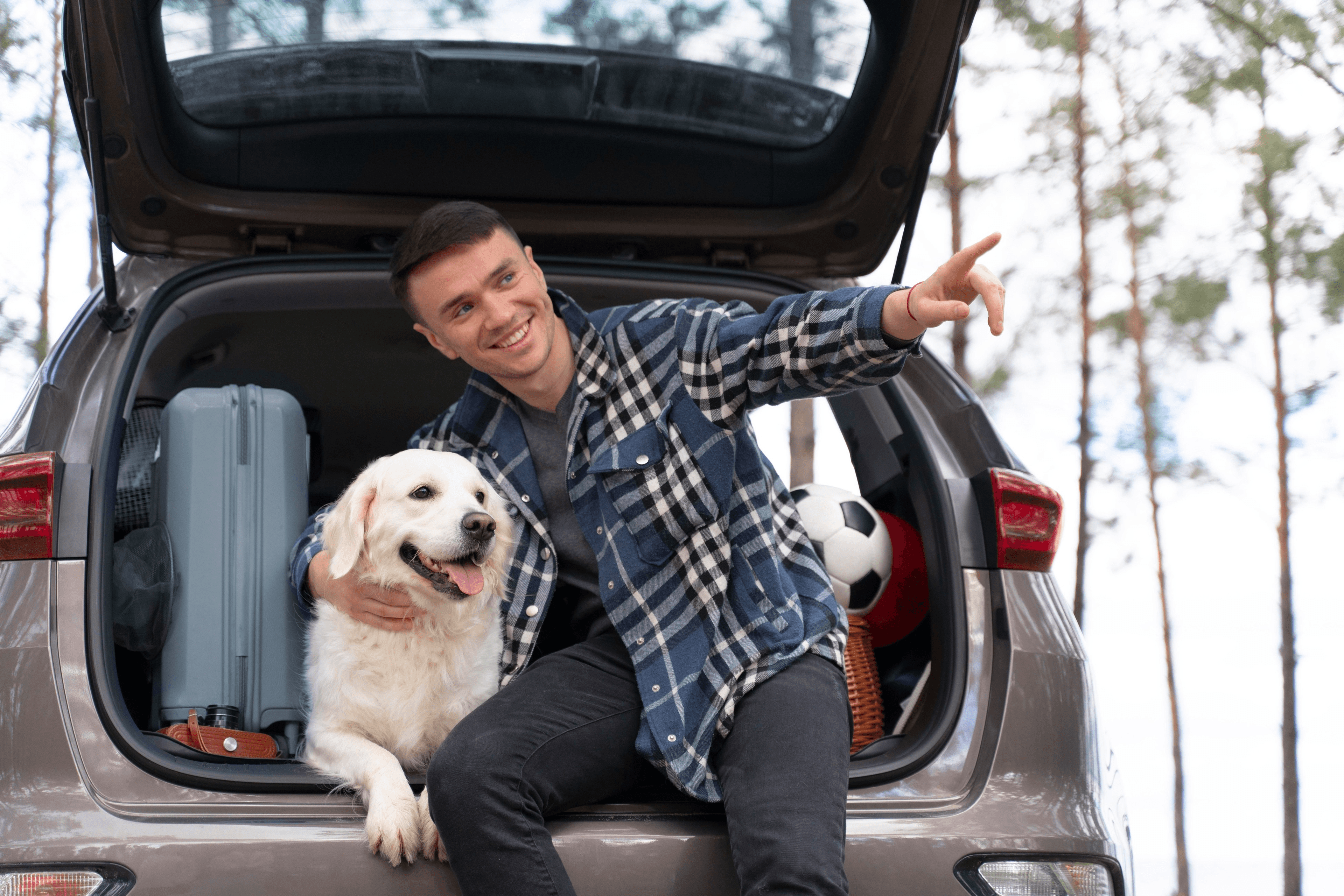

Moving with Pets: A Practical Guide for a Stress-Free Relocation
Whether you are moving across the city or relocating to another part of Germany, planning ahead becomes especially important when pets are involved. Finding the best moving company is only one part of the process. You also need to think about transportation, feeding routines, familiar belongings, safety and how your pet will be managed on moving day.
A move changes the whole household, including dogs, cats and other companion animals. Pets can become unsettled when familiar rooms, smells, routines and people suddenly shift. With careful preparation, however, you can make the transition calmer and help your pet adjust to the new environment more comfortably.
Why Moving Can Be Difficult for Pets
Pets usually feel most secure in familiar surroundings. Packing boxes, moved furniture, new people entering the home and disrupted schedules can therefore create confusion or anxiety.
Cats may hide when their surroundings change, while dogs may become restless when they notice unusual activity. Even animals that normally handle change well can react differently during a relocation.
This is why preparing pets for a house move should begin before moving day. Gradually introducing packing materials, keeping normal feeding times and leaving familiar bedding or toys available can make the process less disruptive.
Start Preparing Before Moving Day
Avoid leaving everything until the final day. Begin packing non-essential items gradually while keeping your pet's everyday space as normal as possible.
You can also create a quiet area where your pet can stay while boxes are packed. This reduces exposure to constant movement, noise and unfamiliar activity.
If you are considering pet relocation services, research the requirements early. Depending on your destination and the type of pet, you may need to prepare transportation arrangements, documentation, carriers or other travel essentials. For longer-distance moves, it can also be useful to speak with a veterinarian about your pet's specific travel needs.
Choosing the Right Moving Arrangement
Not every move requires the same level of assistance. Some households are comfortable transporting pets themselves, while others may need additional support.
When comparing pet-friendly moving services, ask how pets are accommodated during the relocation process. A moving provider may focus mainly on furniture and household belongings, so it is important to understand exactly what is included instead of assuming that pet transportation is part of a standard package.
Zugta can help with the wider relocation because moving with pets requires coordination between household transportation and your own travel plans. Keeping these parts organized makes the overall moving process easier to manage.
If you are comparing moving options, look beyond the transport of boxes and furniture. Consider communication, scheduling, planning support and whether the provider can accommodate your particular relocation requirements.
Keep Your Pet Safe During Moving Day
Moving day can be one of the most stressful stages of relocation. Doors may stay open, unfamiliar people may move in and out, and furniture can be carried through areas your pet normally considers safe.
A secure, quiet room can help prevent accidental escapes. Keep the door closed and place familiar food, water, bedding and toys inside.
Good pet care during moving day also means maintaining normal routines where possible. Feed your pet according to its usual schedule and make sure someone knows where the pet is at all times. If keeping your pet at the property is not practical, consider arranging temporary care with a trusted person or a suitable boarding facility.
Transporting Your Pet Safely
Transportation depends on the animal, distance and destination. Cats and smaller animals may travel in secure carriers, while dogs may need a suitable restraint or travel crate depending on the vehicle and journey.
The goal is moving pets safely to a new home without unnecessary disruption. Keep familiar bedding or a favorite toy nearby where appropriate, and avoid making major changes to feeding immediately before travel.
For longer journeys, plan suitable breaks where needed and never leave a pet unattended in a parked vehicle. When arranging pet transportation during relocation, think about the complete journey rather than only the time spent inside the vehicle. Your pet may also need time to settle before and after transportation.
Reducing Stress During the Move
Pets respond to change in different ways. Some may become withdrawn, while others may become more vocal or restless.
One practical way to reduce pet stress during a move is to preserve familiar smells and routines. Bring their usual bedding, toys, food bowls and other familiar items instead of replacing everything at the same time.
Try not to introduce too many changes immediately after arrival. Give your pet time to explore the new home gradually and identify a quiet area where they can retreat. Dogs often benefit from normal walks and feeding schedules, while cats may feel safer staying in one quiet room before exploring the rest of the property.
Helping Your Pet Settle Into the New Home
Once your belongings arrive, avoid forcing your pet to explore the entire property immediately. Start with a safe and familiar space containing essentials such as food, water, bedding and toys.
Gradually introduce other rooms as your pet becomes more comfortable. Keep doors and windows secure, particularly during the first few days when a pet may try to find its previous surroundings.
Good pet safety during household relocation also means checking the new property for hazards. Look for unsecured windows, open gates, exposed cables, small gaps, toxic plants and other places where an unfamiliar pet could become trapped or injured.
A Simple Pet Moving Checklist
Before relocating, prepare the following essentials:
- Update identification and contact information where necessary.
- Keep food, water, medication and essential supplies accessible.
- Prepare a suitable carrier, crate or restraint.
- Keep familiar bedding and toys available.
- Create a quiet and secure area during loading.
- Plan transportation before moving day.
- Keep important veterinary information accessible.
- Check the new property for possible hazards.
- Maintain familiar routines wherever possible.
- Give your pet time to adjust after arrival.
A checklist can prevent small but important tasks from being forgotten when your attention is divided between packing, transportation and settling into the new property.
Should You Move Your Pet Yourself?
For a short-distance move, many owners prefer to transport pets themselves because they already understand the animal's routine and behavior. For longer or more complicated relocations, professional assistance may be worth considering.
The right choice depends on your pet's temperament, the journey length, the transportation arrangements and your own availability.
Zugta can help you approach the wider moving process in a structured way, while pet-specific arrangements should always be planned according to the needs of the individual animal.
Final Thoughts
Moving with a pet requires more planning than simply transporting household belongings. The most important priorities are safety, familiar routines, suitable transportation and enough time for your pet to adjust.
Start preparing early, keep essential supplies accessible and create a calm environment during the busiest parts of the move. Whether you handle transportation yourself or arrange specialist assistance, a thoughtful plan can make relocation easier for both you and your pet.
With the right preparation, your new home can become familiar to your pet much faster, helping the entire household settle into its new routine with fewer disruptions.
Trivia: Cats are often particularly sensitive to changes in familiar surroundings because they rely heavily on familiar scents and territory.


