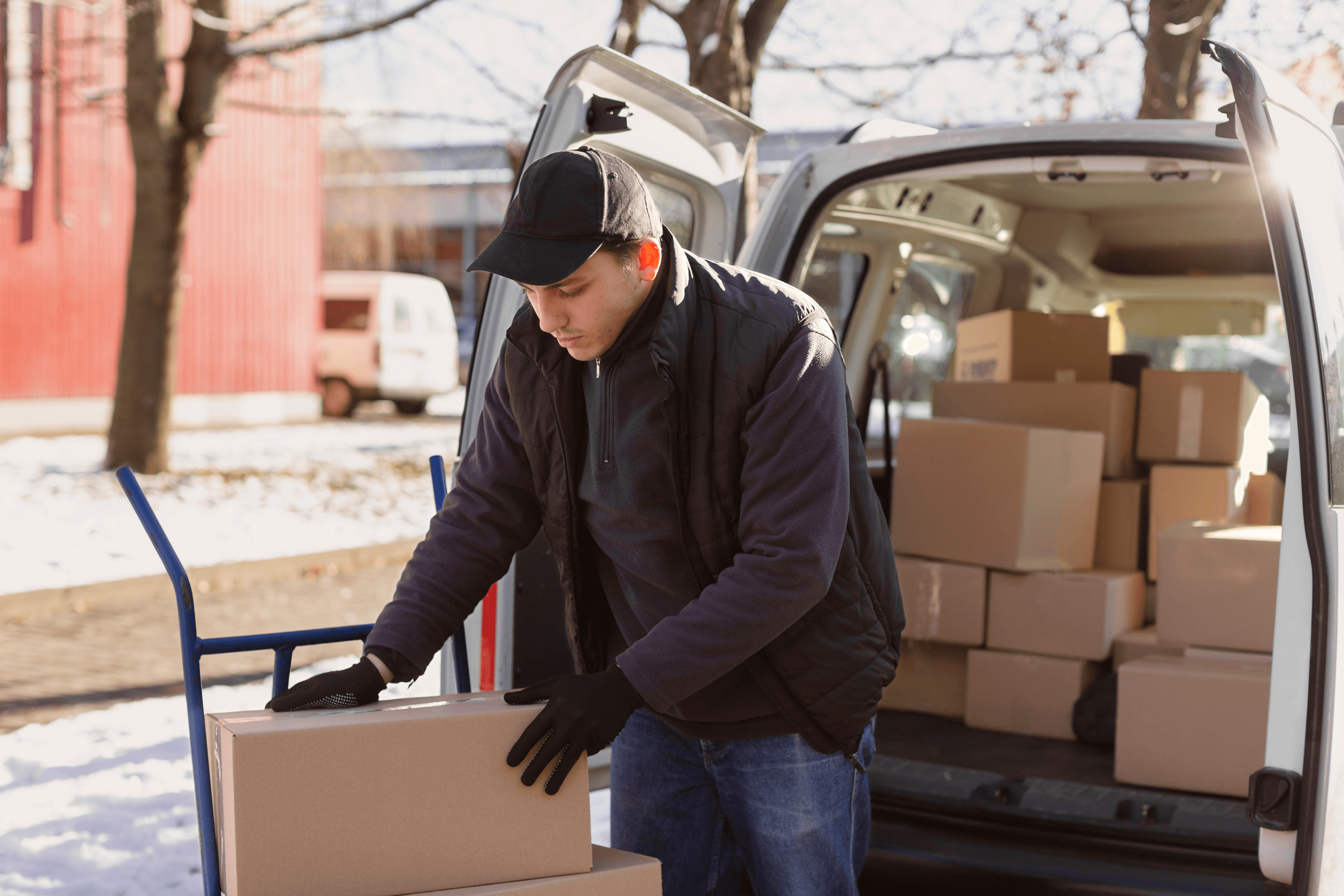

Moving During Winter in Germany: 10 Essential Tips for a Safe and Smooth Relocation
Winter can completely change the experience of moving home. Shorter days, freezing temperatures, snow, icy surfaces and unpredictable road conditions can make an otherwise straightforward relocation more complicated. However, moving during the colder months doesn't have to be stressful when the process is planned around the realities of winter.
For anyone considering international moving, relocating between German cities or simply changing apartments during the colder season, preparation is particularly important. From checking weather conditions to protecting belongings from moisture, several small decisions can make moving day considerably easier. Understanding practical winter moving tips for Germany can also help you plan transportation realistically rather than treating a winter move like a summer relocation. Zugta can make that planning stage considerably more manageable.
Why Winter Relocation Requires More Planning
Winter introduces challenges that aren't usually present during warmer months. Loading areas can become slippery, daylight disappears earlier, and bad weather can affect driving times. Snow or freezing rain may also make access to a property more difficult.
This doesn't mean that moving house in winter in Germany is necessarily a bad idea. In fact, winter can be perfectly manageable when there is enough flexibility in the schedule.
The key is to plan for conditions rather than assuming everything will happen exactly according to the original timetable.
1. Check the Weather Before Moving Day
Start monitoring the forecast several days before the move, but don't rely on an early forecast alone. Weather conditions can change considerably as the moving date approaches.
Pay particular attention to:
- Snowfall and freezing rain
- Black ice and slippery surfaces
- Strong winds
- Heavy rain
- Reduced visibility
- Road closures or significant traffic disruption
If severe weather is expected, communicate with your transport provider as early as possible. A short delay may be preferable to attempting a move in unsafe conditions.
This is one of the most important principles for a safe winter relocation in Germany: flexibility is more valuable than an unnecessarily tight schedule.
2. Understand Winter Driving Requirements
Germany does not impose a simple calendar-based winter tyre period. Instead, winter tyres are required in specific winter road conditions, including black ice, packed snow, slush, ice or frost. The relevant German regulations require tyres meeting the applicable winter-performance requirements, including the Alpine symbol.
This is particularly relevant when a relocation involves long-distance transportation.
Ask your transport provider about its winter operating arrangements and allow additional travel time where weather conditions may affect the journey. When you find and negotiate with a provider through Zugta, this kind of question is easy to raise directly during the discussion, before anything is confirmed. The goal should be reliable transportation rather than trying to achieve the shortest possible journey time.
3. Prepare Both Properties
Winter preparation isn't limited to the moving vehicle. The old and new properties should both be ready for the move.
Check entrances, driveways, stairways, lifts and loading areas before the moving team arrives. Snow, ice or accumulated water can make carrying heavy furniture considerably more difficult.
If you live in an apartment building, communicate with building management where necessary. Confirm access to lifts and entrances and check whether there are restrictions on parking or loading vehicles.
Good preparation at both ends can prevent unnecessary waiting and reduce safety risks.
4. Protect Belongings From Moisture
Cold weather brings another problem that is sometimes overlooked: moisture.
Snow and rain can make floors, entrances and outdoor loading areas wet. Cardboard boxes can become weaker when exposed to moisture, while certain furniture surfaces and electronic equipment require additional protection.
When planning moving furniture in snowy weather, use appropriate protective coverings and avoid leaving belongings outside for longer than necessary.
Important documents, electronics and other moisture-sensitive belongings should be kept separately and protected throughout transportation.
5. Allow Extra Time for Loading and Unloading
Moving in winter can simply take longer.
Workers may need to move more carefully across slippery surfaces. Furniture may require additional protection, while loading and unloading can be affected by poor visibility or changing weather.
Don't create a schedule where every stage depends on the previous activity happening at exactly the planned time.
Building reasonable flexibility into the schedule can make the entire relocation less stressful. If the move finishes earlier than expected, that's a benefit; if weather creates a delay, you already have some breathing room. If you've arranged transportation through Zugta, keeping the provider updated on any changes makes it easier for both sides to adapt.
A winter move doesn't need perfect weather. It needs realistic planning.
The safest moving schedule is one that leaves room for the unexpected.
6. Keep Your New Home Ready
Arriving at a cold, unprepared property can create unnecessary problems.
Before moving day, confirm that you can access the property and that essential heating arrangements are working. If the property has been vacant, communicate with the landlord or property manager beforehand.
Also consider where your essential belongings will go when they arrive. Having a clear plan for furniture placement can reduce the amount of time doors remain open and help prevent unnecessary exposure to cold and moisture.
These details are particularly relevant when organising a winter relocation checklist for Germany because preparation needs to cover both transportation and the destination property.
7. Pack for Winter Conditions
Packing for a winter move requires slightly more thought than packing during warmer months.
Keep essential items accessible rather than placing everything into the main moving load. Warm clothing, footwear, towels, cleaning materials, important documents and basic household necessities should be easy to reach.
Use strong boxes and suitable protective materials. Don't overload boxes simply because you want to reduce the number of packages.
For delicate belongings, additional cushioning can be worthwhile. Electronics should remain protected from moisture, while furniture should be appropriately covered during loading and unloading.
8. International Moves Need Additional Flexibility
Weather becomes even more important when planning international moving.
An international relocation can involve multiple stages, including road transportation, border crossings, documentation and delivery scheduling. A delay at one stage can affect the rest of the journey.
When organising international relocation in winter, avoid building your entire schedule around the earliest possible arrival. Allow some flexibility for road conditions, delays and changes in transportation schedules. This is where negotiating directly with a provider on Zugta can help, since you can discuss realistic timing before committing rather than working from a fixed quote.
If you're travelling separately from your belongings, avoid arranging important appointments immediately after the expected delivery date. A small amount of flexibility can prevent significant stress if the journey takes longer than planned.
9. Keep Administrative Tasks Separate From Transportation
Winter weather doesn't change your administrative responsibilities.
People moving into a residence in Germany generally have to register their new address with the relevant registration authority within two weeks of moving in. This requirement comes from Germany's Federal Registration Act.
The registration process can involve documents such as identification and confirmation from the housing provider, depending on the circumstances and local procedure. The Federal Registration Act also provides for an official registration confirmation.
Keep these documents accessible rather than packing them into a box that may remain unopened for days.
10. Consider Your Transportation Options Carefully
The logistics side of relocation has become increasingly digital. People no longer have to rely exclusively on personal recommendations or contacting companies individually.
Zugta provides a way to explore logistics and transportation providers through a digital platform, and to negotiate terms directly rather than accepting a fixed price. This can be useful when the move involves unusual requirements, long distances, large amounts of furniture or specific timing.
When comparing options, look beyond availability. Consider communication, scheduling flexibility, handling requirements and whether the provider understands the particular challenges associated with your move.
This broader approach to moving logistics in Germany can help you make a decision based on the actual requirements of your relocation rather than simply choosing the first available option.
Winter Moving Day Checklist
Before the moving vehicle arrives, run through this quick checklist:
- Check the latest weather and road conditions.
- Confirm the moving schedule.
- Make sure entrances and loading areas are accessible.
- Check for snow, ice or standing water.
- Protect indoor floors from moisture and dirt.
- Keep essential documents separate.
- Protect electronics and sensitive belongings.
- Keep warm clothing and essential items accessible.
- Allow additional time for loading and travel.
- Keep communication open with the transportation provider.
- Have a backup plan if severe weather affects the schedule.
This simple preparation can make a noticeable difference when conditions become difficult.
How Zugta Can Fit Into Winter Relocation Planning
Winter relocation often requires more coordination than people initially expect. Finding suitable transportation is one part of that process.
Zugta provides a digital platform where people can explore moving and logistics options and negotiate directly with providers, rather than researching individual companies separately. It is particularly relevant when someone wants to understand available transportation solutions before committing to a particular provider.
The platform doesn't replace the practical responsibilities of planning a relocation. Instead, it can provide a more organised starting point for researching transportation requirements.
For people arranging relocation services in Germany, this distinction is important. Administrative requirements, property preparation and personal responsibilities still need to be managed separately, while transportation can be researched and organised on Zugta according to the specific needs of the move.
Final Thoughts
Winter moving in Germany isn't necessarily more difficult — it simply requires a different approach. Weather conditions, road safety, property access, moisture protection and realistic scheduling should all form part of the planning process.
The most important principle is to avoid treating winter like any other moving season. Check conditions, communicate early, protect belongings, allow additional time and keep important documents accessible.
For larger relocations and international moving, flexibility becomes even more valuable because several stages may depend on one another. Digital platforms such as Zugta can also make the transportation research and negotiation process easier, particularly when exploring different logistics options.
With proper preparation, winter can be just another season for relocation rather than a reason to postpone it. The objective isn't to move as quickly as possible; it is to move safely, protect your belongings and arrive ready to settle into your new home.


